 Akila Apart City
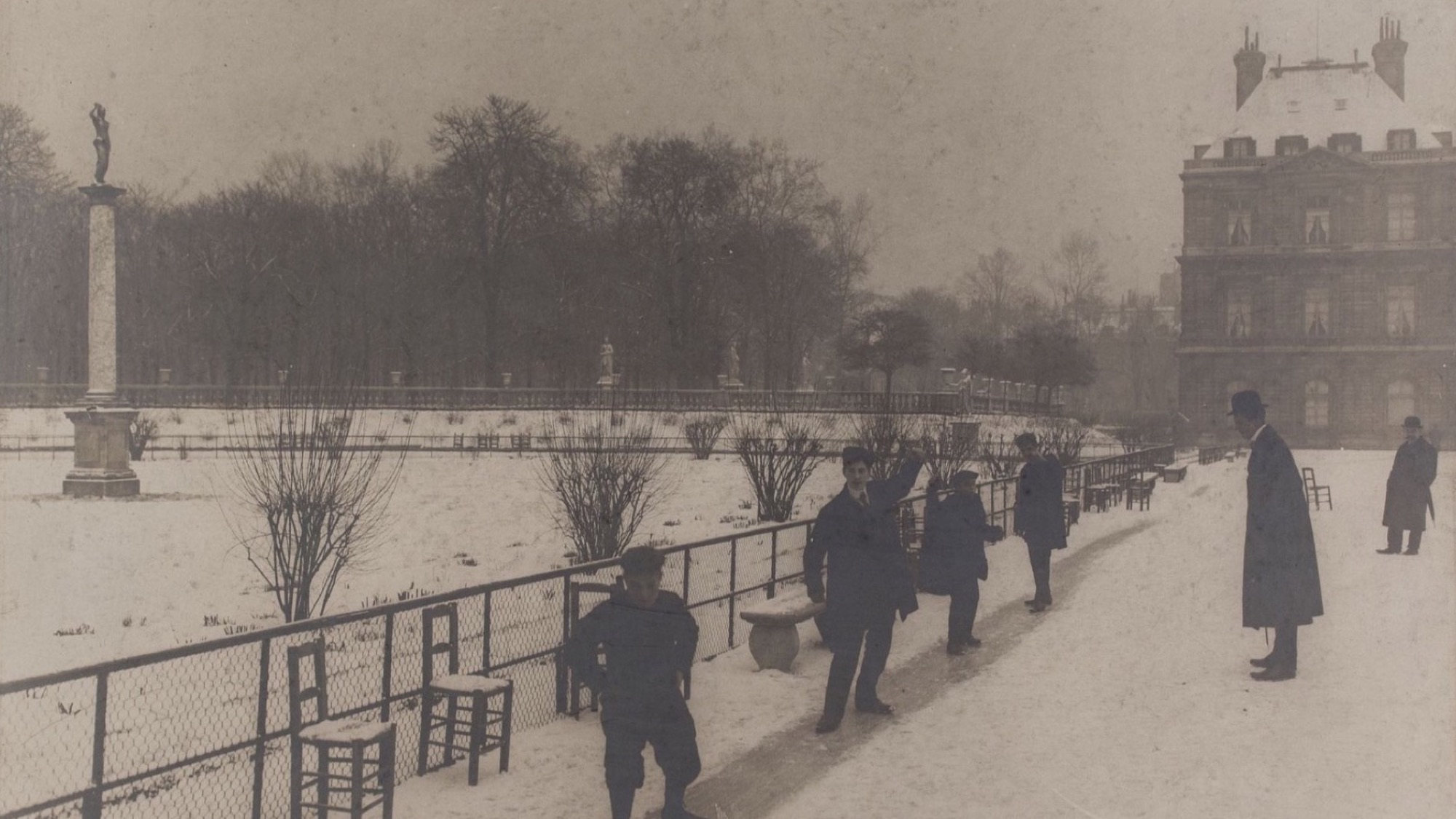
Between mid-November and the end of March, Paris loses its queues, its crowded terraces and a good share of its visitors. What you gain more than makes up for the daylight you lose.
What winter gives back
The first gain is time. Monuments that take an hour of queueing in July take minutes in February. Museums become places where you can stop in front of a painting without blocking anyone.
The second is access. A table without a booking in a decent restaurant, a seat in a café at lunchtime, a seat on the metro: all matters of luck in high season.
The third is harder to explain. In winter Parisians take their city back. The cafés of the Latin Quarter fill with students and local people rather than visitors. You stop looking at Paris and find yourself inside it.
Planning a day that ends at five
In December the sun comes up around twenty to nine and goes down around five. That is the only real constraint, and it is handled by reversing the usual order.
Put outdoors whatever needs light: gardens, quays, façades, views. Morning and early afternoon are for those. Keep indoors for the end of the day, when it is dark anyway: museums with late openings, lit churches, bookshops, cinemas.
A well-built winter day is worth a summer one. It is simply folded the other way round.
The Latin Quarter in bad weather
Few parts of Paris take rain as well, because everything is five minutes on foot and much of it is under cover.
The bookshops along boulevard Saint-Michel and the streets around it let you spend an hour in the dry without buying anything, which has always been their function. The art-house cinemas of rue Champollion and rue des Écoles run weekday afternoon screenings that are all but empty.
Churches are heated, free and open: Saint-Séverin, Saint-Julien-le-Pauvre, Saint-Étienne-du-Mont. The Panthéon and the Cluny museum are visited entirely under cover. And when it really pours, the gallery of the Grande Mosquée and its tearoom are an honest fallback.
Gardens in winter, properly
People assume a garden is only worth it in flower. The Luxembourg says otherwise. The beds are bare, the chairs stacked, and at last you see the structure: the alleys, the sight lines, the statues that had become mere decoration behind the leaves.
In a frost the basin takes a ring of ice and the palace stands out against a low sky. It is the time of year when the garden most resembles the drawing it was made from.
The same goes for the Jardin des Plantes, where winter empties the paths and leaves the great glasshouses, which are warm, and the Grande Galerie de l'Évolution, which does not depend on the weather.
What to bring
Paris in winter is rarely very cold, but it is damp, and damp cold is felt more. A waterproof layer counts for more than a thick coat.
Waterproof shoes change everything: you will walk a great deal, and the pavements stay wet for a long time. A compact umbrella rather than a large one, because of the wind funnelling down the streets.
And plan the pauses. In winter the café is not a treat, it is infrastructure: you warm up in one every couple of hours, and that is where you spend the most time watching the city.